


The University of Tokyo ✓
Tokyo, Japan
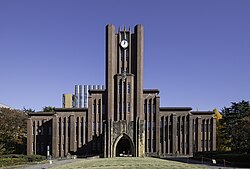
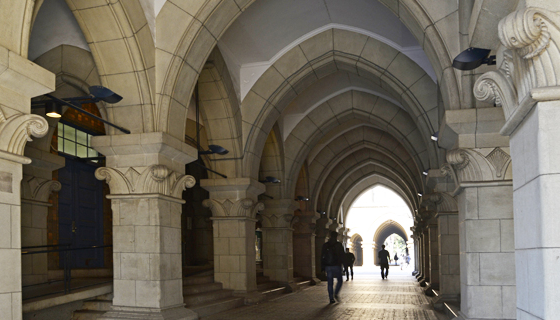

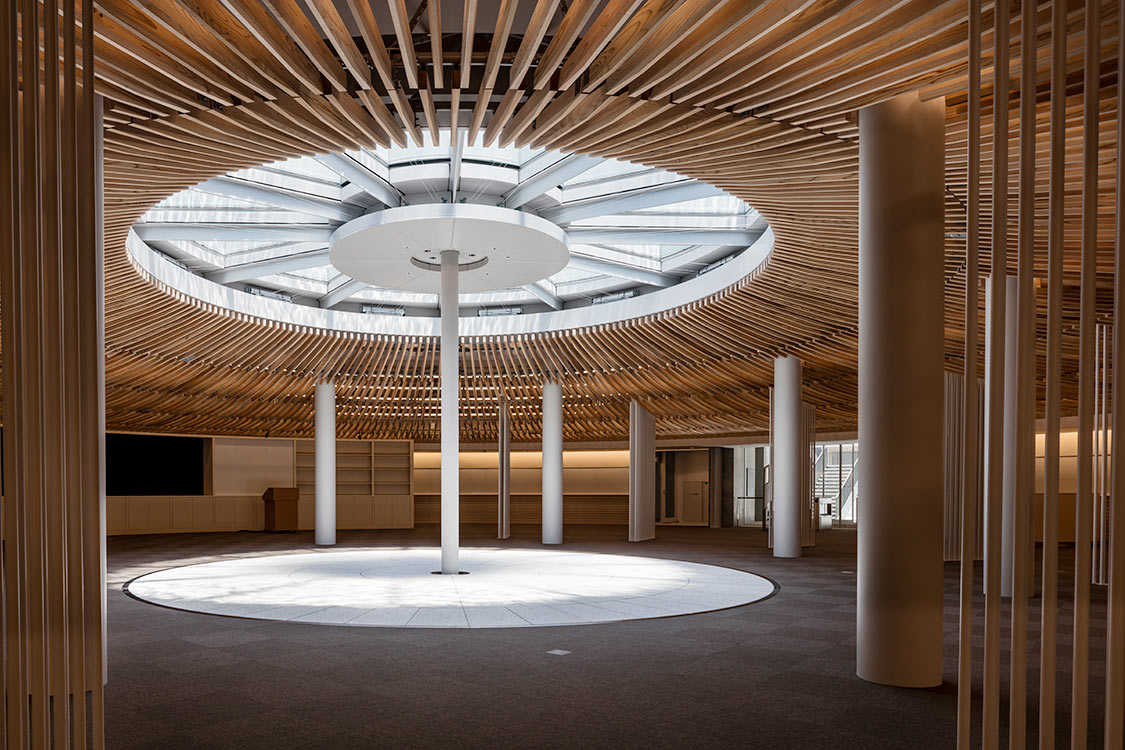
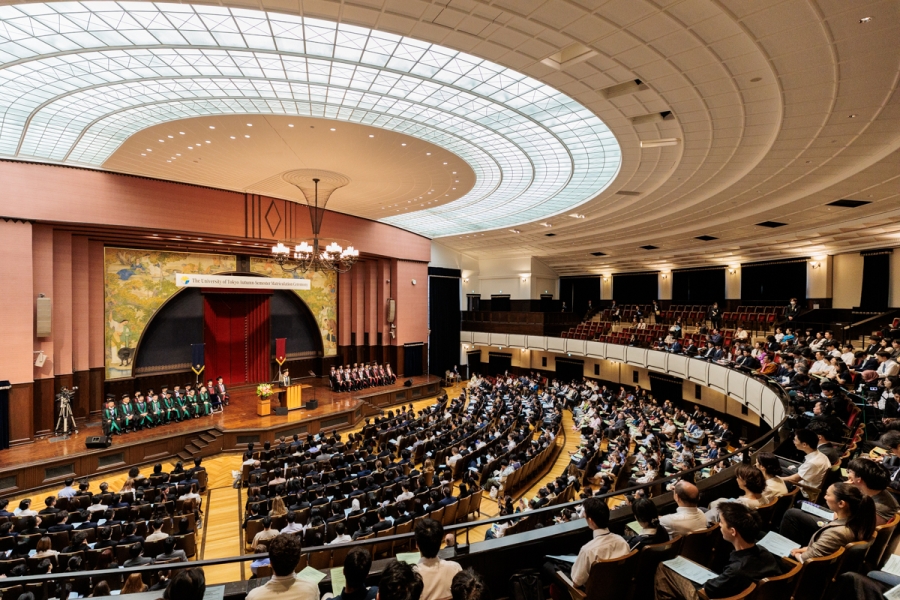
Welcome to The University of Tokyo
The academic culture at Todai is steeped in prestige, deep tradition, and intense intellectual rigor. It produces many of Japan's top government officials, researchers, and industry leaders.
- The Two-Campus Split Structure: This is a defining feature of the undergraduate experience. For the first two years (the ""Junior Division""), all students study at the Komaba Campus. During this time, they take a broad, liberal arts curriculum regardless of their major. For their final two years (the ""Senior Division""), students move to the historic Hongo Campus to focus strictly on their specialized major.
- Research-Driven: The university is heavily focused on academic research. In their final year, undergraduate students are deeply integrated into specialized laboratories or seminar groups to write a comprehensive graduation thesis.
- The Atmosphere: The environment is highly traditional and deeply respectful. While the workload is notoriously heavy, students are incredibly disciplined, independent, and focused on long-term career placement.
📜 Entry Qualification
- A-Levels
- International Baccalaureate (IB) Diploma
- STPM
- UEC
📅 Registration Info
Applying to The University of Tokyo as an international student is highly specific, depending entirely on whether you choose English or Japanese as your medium of instruction.
- The PEAK Program (English-Taught): This is the flagship track for international students (Programs in English at Komaba). You do not need to know Japanese to apply. You submit your application directly through the UTokyo PEAK Online Application System.
- Application Timeline (PEAK): The application period is very strict. It typically opens in late November and closes by early December for enrollment in September of the following year.
- Standard Admissions (Japanese-Taught): If you apply for regular Japanese-taught degrees, you must take the EJU (Examination for Japanese University Admission), submit a high JLPT N1 certificate, and take UTokyo's notoriously difficult secondary written entrance exams in February/March.
- English Proficiency: If your high school was not primarily taught in English, you must submit a standardized language score. UTokyo generally expects an IELTS Academic score of 7.0+ or a TOEFL iBT score of 100+.
- The Interview: Shortlisted candidates who pass the initial document screening will be invited to a rigorous online interview (usually held in February or March). This is not just a casual chat; professors will test your analytical skills, intellectual curiosity, and academic depth.
💡 Test
The tests required depend entirely on which language track the student applies for. This is crucial information for your website:
- Track A: The PEAK Program (English-Taught)
- No General Entrance Exam: Students applying to ""Programs in English at Komaba"" (PEAK) do not take a traditional Japanese entrance exam. They apply using their standard high school grades (A-Levels, IB, etc.) and personal essays.
- The Interview: If the application is shortlisted, the student must pass a highly rigorous, formal interview (often conducted online) with faculty members.
- Track B: Standard Undergraduate Programs (Japanese-Taught)
- EJU (Examination for Japanese University Admission): International students must travel to a testing center (which is available in Malaysia) to take the EJU. This tests Japanese as a Foreign Language, Science, Japan and the World, and Mathematics.
- Secondary Exam & Interview: After passing the EJU screening, students must take the university's own written essay exam and pass a formal, in-person interview in Japanese.
🗣️ Language
- Japanese
- English
More About The University of Tokyo
Quick Facts
- This institution is Japan's first national university and is widely considered the most prestigious seat of learning in the country.
- The campus is famous for its iconic red ""Akamon"" gate and the beautiful ginkgo-lined avenues that turn gold every autumn.
Postgraduate Study
Graduate students can choose from a vast selection of programs across 15 graduate schools, offering cutting-edge research opportunities in fields ranging from humanities to the physical sciences.
Key Industry
The university maintains a dominant role in Japan’s "Society 5.0" initiative, collaborating closely with industry leaders in robotics, sustainable energy, and automotive engineering.
Post-study Work Opportunity
International graduates may apply for a "Designated Activities" visa, which allows them to stay in Japan for up to two years specifically to conduct a job search after completing their degree.
Accommodation
The university offers several international lodges and "villages," such as the Mejirodai International Village, providing various room types and a community-oriented living environment for students and researchers.
Lifestyle
Life is defined by a blend of intense academic rigor and unique traditions, where students engage in over 450 clubs and societies while enjoying the cultural and culinary richness of Tokyo.
🎯 Program / Courses
Faculty of Engineering ▶
- Information and Communication Engineering
- Mechanical Engineering
- Electrical and Electronic Engineering
- Applied Physics
- Chemical System Engineering
- Civil Engineering
Faculty of Science ▶
- Computer Science
- Mathematics
- Physics
- Bioinformatics
💵 Cost Details
Average Tuition Fee / Year
Living Costs / Monthly
📍 Location & Contact
⭐ Student Reviews
"An amazing university with rich history and excellent facilities for education majors. The lecturers are very supportive, and the campus environment in Tanjong Malim is extremely peaceful and conducive for studying."
"Great place to study. The residential colleges are comfortable and the new campus has great modern tech. The only downside is that the town is quite small, so entertainment options are a bit limited, but it forces you to focus!"